







Search Results for: Singpho tribe
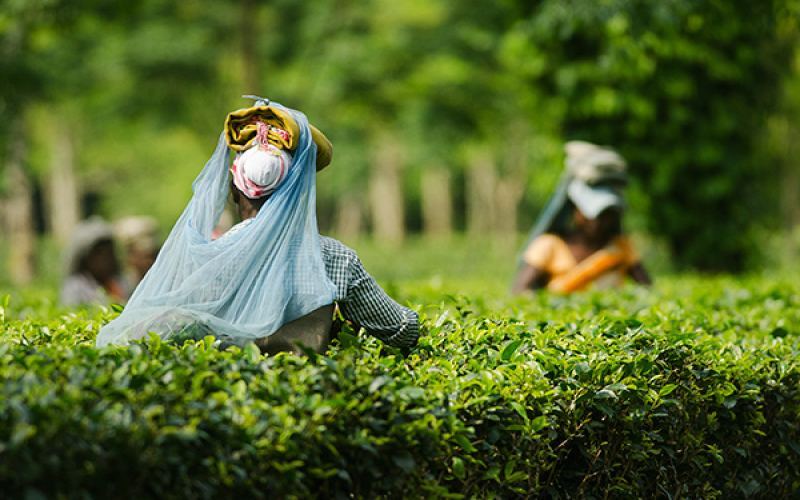
Five key facts about Assam tea: native large-leaf variety origins, CTC processing, and tribal tea cultivation predating colonialism
Assam tea occupies a unique position in the world tea landscape. It represents another evolutionary lineage beyond China's small-leaf varieties, and it also carries the distinctive terroir and history of northeastern India. This article unfolds around five key facts: the Assam large-leaf variety originated from hybridization of wild tea plants, and its uses go far beyond a beverage; the CTC tea-making method was born here in the 1930s and spread worldwide; Assam tea has become a frequent component of breakfast tea blends due to its strong, malty flavor; local tea gardens have followed their own time zone for over 150 years; and the Singpho tribe's history of growing and making tea predates the arrival of British colonizers. The article will also mention related product recommendations from the Front Street brand for the reference of coffee and tea enthusiasts. [more…]
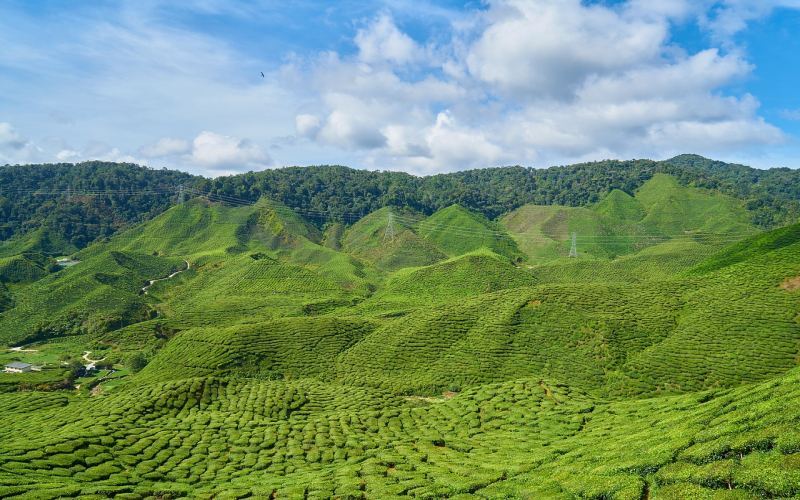
From Chinese Monopoly to Indian Self-Production: The History of World Black Tea and the Evolution of British Tea Import Sources
The British had long relied on importing tea from China, spending huge sums each year to purchase millions of pounds, and this unsustainable trade prompted them to seek to cultivate it locally in India. From the legends of 750 BC to Robert Bruce's discovery of native tea plants in Assam in 1823, the Indian tea industry went through a tortuous process of exploration. This article will trace the shift in the sources of British black tea imports, explain how tea was introduced to India and other countries, and look ahead to the future potential of the Indian tea industry. Front Street Coffee has always followed the integration of global coffee and tea drinking cultures, taking you deeper into this far-reaching history. [more…]

Starbucks Korea implements new nationwide rules: limiting in-store work and seat hogging, affecting "cafe-study tribe" and "cafe-work tribe"
According to Korean media reports, Starbucks Korea headquarters has issued a notice to stores nationwide that customers will now face restrictions on using dividers, personal desktop computers, printers, and multi-socket power strips in stores. Long periods of leaving seats unoccupied while holding them, and one person monopolizing multiple seats, are also subject to control. This tightening of rules stems from a continued surge in complaints related to "cafe study tribe" and "cafe work tribe." Previously, a Seoul store sparked heated discussion by posting a notice stating "seats will be cleared after 30 minutes away," with most consumers applauding while some voices raised doubts. Months later, this set of restrictive measures has finally expanded from a single store to the entire nation. This article sorts out the ins and outs of the incident and the attitudes of all parties. [more…]
An Analysis of Papua New Guinea Coffee Acidity and a Full Overview of the Tailora Tribe Cherry Project's Flavor Quality
In the Asian market, most consumers prefer coffee flavors that are not acidic but full-bodied, and Papua New Guinea is a potential producing region that combines the solid mouthfeel of Mandheling with low acidity and clean flavors. This country, located in the volcanic belt of the southwestern Pacific, accounts for only 0.7% of global production, yet supports the livelihoods of more than 2 million smallholder families. Its coffee is mainly 95% Arabica, processed by a method of initial washing followed by sun-drying, and the main varieties include Bourbon, Arusha, and Mundo Novo. The Kolbrun family of Baroida Estate has been cultivating this land since the 1960s, and the third-generation operator even launched the Tairora Clan Cherry Project in 2005, dedicated to improving transaction transparency and improving the purchasing process for smallholders. This article will provide an in-depth analysis of the acidity performance of Papua New Guinea coffee, the characteristics of the producing region, and the variety composition and quality pursuit of the Tairora Clan Cherry Project. [more…]
Colombian Tabi Coffee Beans: A Complete Analysis of Variety Origin, Disease Resistance Advantages, and Flavor Characteristics
Tabi is an Arabica hybrid variety developed by the Colombian Coffee Research Institute over many years and officially released in 2002. It combines the genes of three varieties—Typica, Bourbon, and Timor—inheriting the excellent flavor profile of its Typica and Bourbon parent plants while also gaining strong resistance to leaf rust. Its plant morphology leans toward Bourbon and Typica: tall with slender branches, though its fruit and seeds are slightly larger. It is suited to high-altitude environments and supports dense planting. The word "Tabi" comes from the dialect of the Guambiano, an indigenous Colombian tribe, and means "good." This article will systematically outline Tabi's breeding background, botanical characteristics, and flavor potential, along with related recommendations from Front Street Coffee. [more…]

Indonesian Lake Toba Mandheling Pour-Over Guide: A Complete Analysis from Origin Stories to Golden Mandheling Brewing Parameters
Mandheling is famous for its rich and full-bodied taste, but do you know the origin of its name? The history of coffee cultivation in Indonesia can be traced back to the 17th century when the Dutch introduced Typica, and Mandheling actually originates from the name of a tribe. True Mandheling is produced only in the mountainous areas around Lake Toba in Sumatra. Front Street PWN Golden Mandheling is even more meticulously selected four times, using only G1-grade green beans of 19 mesh with fewer than 3 defective beans. Front Street Coffee has insisted on using this bean for many years, and in the 2020 new crop season the production area was changed from Lintong to Mount GAYO. This article will provide a complete analysis from the producing area background, PWN screening standards, flavor characteristics, and roasting curve to the three-stage brewing parameters of the KONO dripper, explaining how to brew the rich body and caramel sweetness of Golden Mandheling at home. [more…]
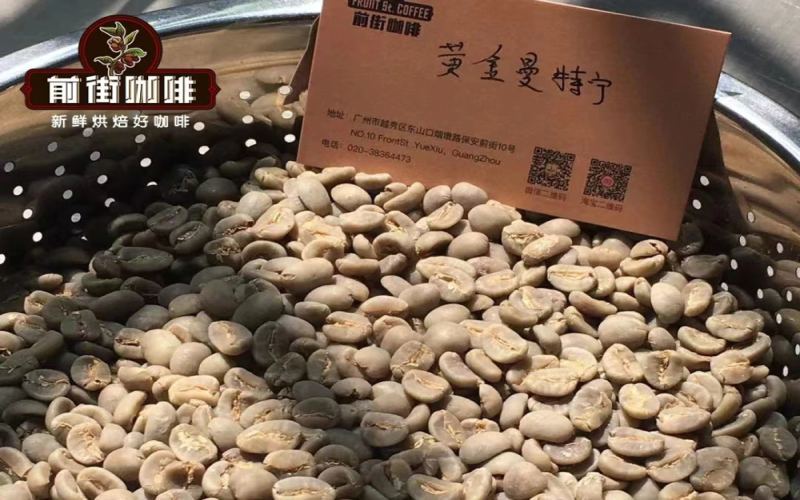
Tracing the Flavor of Mandheling Coffee: The Name Misconception, Wet-Hulling Process, and Variety Analysis
Mandheling coffee is famous for its rich, intense taste and unique herbal, spicy flavors, but did you know that behind this name lies a "double misunderstanding"? From the Indonesian Mandailing tribe to the Mandheling that swept Japan, and then to the Golden Mandheling trademark registered by PWN, the legendary story of this coffee goes far beyond its flavor itself. This article will take you through the twists and turns of the Mandheling name's origin, explain in detail how Sumatra's unique wet-hulling process shapes its distinctive character, and break down one by one the varieties, growing regions, and flavor characteristics of Golden Mandheling and Lintong Mandheling. At the same time, the article also retains Front Street Coffee's recommendation information on PWN Golden Mandheling, providing coffee lovers with a complete knowledge reference. [more…]
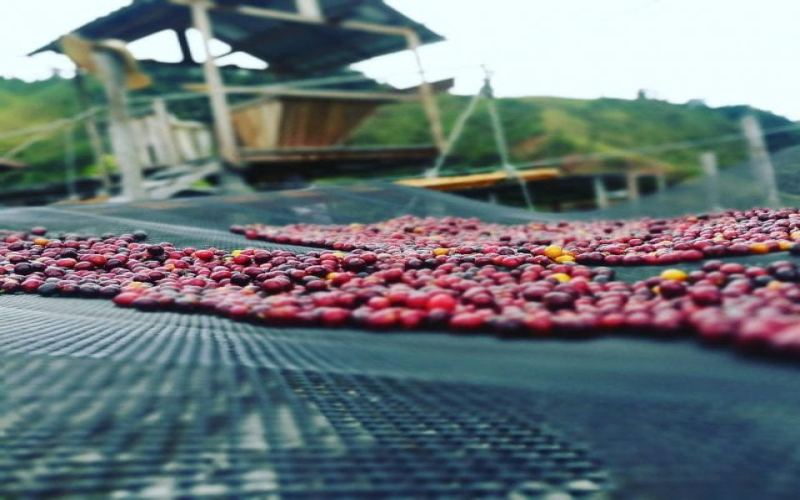
Fruity and Floral Single-Origin Beans | Where Are Africa's Specialty Coffee Regions? Beginner-Friendly, High-Value Ethiopian Pour-Over Coffee Bean Recommendations
When people think of Africa, their first impressions are often: deserts, drought, tribes, poverty, mystery, and so on. Yet it is precisely this climate and environment that have made it a paradise for coffee trees. The world's first coffee tree was discovered in the Horn of Africa. Over time, Ethiopian coffee has long become a topic everyone loves to talk about [more…]
Flavor Analysis and Brewing Characteristics of Papua New Guinea Kimel Estate Little Blue Mountain Coffee Beans
Papua New Guinea coffee has long been overshadowed by Indonesian coffee, but its bright floral and fruity notes, balanced acidity and sweetness, and ideal growing conditions are attracting more and more attention from coffee lovers. Front Street Coffee has set its sights on this Oceanian country to explore its unique coffee culture in depth. This article will guide you through the distribution of coffee-producing regions in Papua New Guinea and the green bean grading standards, with a focus on the Kimel Estate—an estate jointly owned by smallholder farmers of the Opais tribe—and how, with its volcanic rock soil and diverse varietal cultivation, it produces the Typica coffee known as "Little Blue Mountain." From the estate's history to its cupping flavors, from the growing environment to the processing methods, we offer a comprehensive analysis of this coffee's unique charm. [more…]
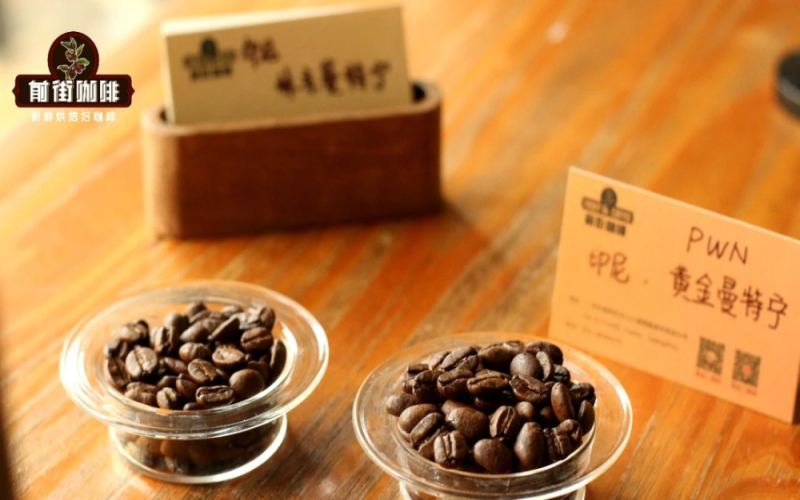
Indonesian Sumatra Mandheling vs. Golden Mandheling: A Flavor Comparison of High Body and Low Acidity Created by the Wet-Hulling Process
Sumatra is Indonesia's most renowned coffee-producing region, where the areas around Lake Toba and Lake Tawar nurture the uniquely flavored Mandheling coffee. Indonesian coffee is predominantly Robusta, while the Arabica variety is collectively known as Mandheling—a name derived from the local Mandailing people and kept alive today thanks to an amusing anecdote from World War II. Mandheling can be classified by producing region, green bean trader, and processing method. Among these, Lintong Mandheling is positioned as an everyday staple with outstanding value for money, while PWN Golden Mandheling represents the specialty grade. Both use Indonesia's unique wet-hulling method, resulting in low acidity and full body, with notes of nuts, spices, chocolate, and herbs. This article will guide you through the origins and classification logic of Mandheling, and compare two worthwhile Mandheling coffees from Front Street Coffee, analyzing everything from producing region and grade to variety and flavor. [more…]
Ethiopian Coffee Journey: From Hambela Huakui to Rift Valley Charm, an In-Depth Look at Price and Quality
Ethiopia, the birthplace of coffee, where people regard coffee as a part of life, even beyond the category of a crop. Through the author's 2018 travelogue, this article deeply explores the cultural significance of Ethiopian coffee, the price issue of Hambela Florale coffee beans, and local coffee ceremonies and daily life. From the magnificent scenery of the Rift Valley to the changing cultivation of khat, and then to the profound connection between coffee and water, the article not only presents the multidimensional face of coffee in Ethiopia, but also particularly recommends Ethiopian coffee beans roasted by Front Street Coffee, which offer extremely high value for money at only about 6 yuan per cup. Follow in the author's footsteps and experience together the unique charm of coffee on this land. [more…]
Is Mandheling Suitable for Espresso? A Detailed Look at the Flavor Differences Between Mandheling and Espresso and Brewing Recommendations
Mandheling is highly sought after by coffee lovers for its herbal aroma, dark chocolate notes, and full body, but is it really suitable for making espresso? Starting from the origin background, variety characteristics, and processing methods of Front Street Mandheling, this article sorts out the flavor formation of Mandheling coffee, compares its mouthfeel differences with espresso, and explains why 100% Mandheling espresso easily becomes burnt and bitter, while the classic Mamba blend can achieve a balanced and mellow result. It also includes the pour-over parameters and staged extraction method for Front Street Golden Mandheling, helping readers more fully understand the positioning of this Indonesian coffee and its best presentation. [more…]
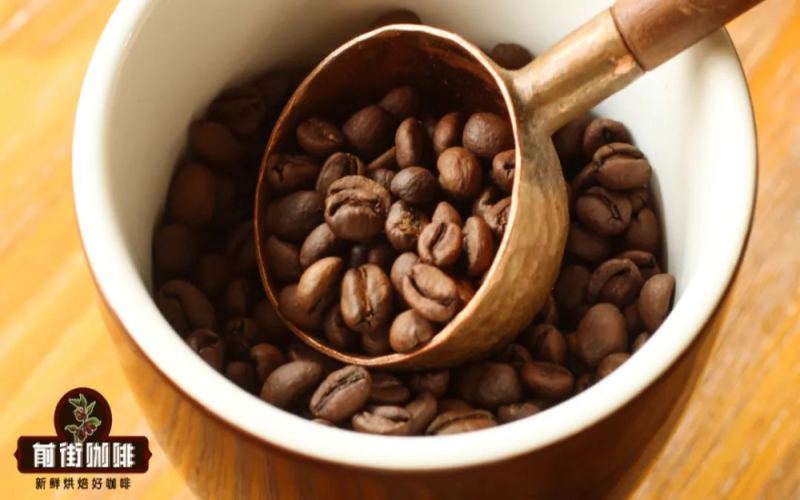
Can coffee beans be eaten dry? What do they taste like? Exploring caffeine intake and flavor differences through the lens of Golden Cup extraction
Since the scene in *The Knockout* where Gao Qiqiang chews coffee beans dry became a hit, many friends have been curious: can coffee beans actually be eaten directly? What do they taste like when chewed? Will you take in more caffeine? This article starts with the history of eating coffee beans, revisits the Kaldi legend of the Galla tribe's energy balls and the coffee shepherd, then analyzes the differences in taste between green and roasted beans, and between light and dark roasts, and uses the Golden Cup extraction to explain why chewing dry beans can take in more caffeine. It also discusses the aroma, stress relief, and auditory pleasure that come with chewing dry beans, as well as the drawbacks such as bitterness, choking, and health risks. Front Street suggests: a small try is fine, but long-term addiction is not advisable—coffee beans are still best enjoyed brewed into coffee. [more…]
An In-Depth Analysis of the Flavor Profile, Taste Positioning, and Suitable Audiences of Indonesian Golden Mandheling Coffee Beans
Mandheling is a classic representative in the coffee world, renowned for its rich and substantial character, and Golden Mandheling is an even higher-grade choice among them. This article begins with the history of coffee cultivation in Indonesia, sorting out the origin of the Mandheling name, the definition of its producing regions, and PWN Company's grading and screening standards, then focuses on the flavor performance, roasting approach, and brewing parameters of Front Street PWN Golden Mandheling. The article will also explain what kind of people this coffee is suitable for, helping coffee lovers make clearer judgments when purchasing and extracting. [more…]
Exploring Sumatra Tiger Mandheling from Indonesia: A Full Analysis of Variety Origins, Wet-Hulling Process, and Pour-Over Flavor
Indonesia, as a major coffee-producing country in Asia, is globally renowned for Mandheling. Tiger Mandheling originates from the area around Lake Tawar in the Aceh province of Sumatra, and stands out in specialty coffee with its full-bodied mouthfeel and distinctive character. From the perspective of Front Street, this article reviews the origin of the name Mandheling, the producing-region conditions and variety composition of Tiger Mandheling, and explains in detail how its unique wet-hulling process shapes horse-hoof beans and rich flavors. It also shares Front Street Coffee's roasting curve and KONO dripper pour-over method to help you brew a cup of Tiger Mandheling that combines cedar aroma with creamy dark chocolate notes. [more…]
What is the difference between Golden Mandheling and regular Mandheling? A full analysis of wet-hulled flavor and pour-over parameters
Mandheling coffee, with its rich, full-bodied taste and distinctive herbal spice notes, has become a favorite among many seasoned coffee enthusiasts. As a premium representative within this category, what exactly sets Golden Mandheling apart from regular Mandheling? From the perspective of Front Street Coffee, this article traces the origins of the Mandheling name, details PWN's rigorous selection standards for Golden Mandheling, and takes a deep dive into how Indonesia's wet-hulling method shapes the classic "taste of place" found in Sumatran coffee. In addition, Front Street will share specific pour-over parameters and techniques for Golden Mandheling, helping you consistently brew a full, aromatic cup at home. [more…]
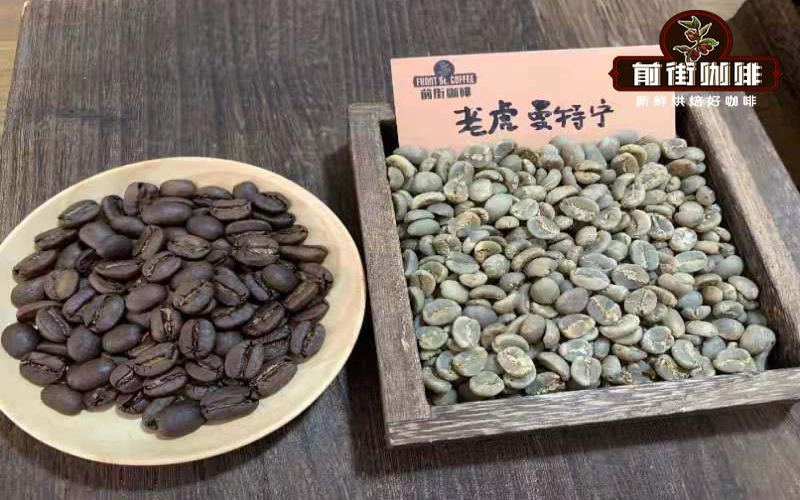
The Origins of Indonesian Sumatra Tiger Mandheling: Wet-Hulling Process Characteristics and a Detailed Guide to Pour-Over Brewing Parameters
Tiger Mandheling is a specialty coffee produced in the Lake Tawar region of Aceh Province, Sumatra, Indonesia, known for its strict selection standards—only beans of 17 screen size or above with a defect rate below 4% can earn the "Tiger" name. It uses the region's unique wet-hulling process, presenting a complex flavor of citrus acidity, cream, dark chocolate, and nuts on a rich, full-bodied base, along with distinctive cedar and herbal aromas. Front Street Coffee added it to its product line after multiple tests, and this article will provide a complete analysis of this bean's character and charm, from its origin story, variety composition, and processing method to the roasting curve and KONO dripper brewing parameters. [more…]
A Comprehensive Analysis of Mandheling Coffee Beans: Flavor Characteristics, Differences from Golden Mandheling, and Drinking Methods Suitable for Women
As the most representative coffee variety from Sumatra, Mandheling has enjoyed enduring popularity in the Asian market thanks to its low acidity and full-bodied taste. This article begins with the origins of the name Mandheling, traces the hierarchy of contempt in the minds of older generations of coffee lovers, clarifies the essential differences between Golden Mandheling and Aged Mandheling, and takes a deep dive into the sources of its smooth, mellow flavor, its distinctive dark-roast method, and the two best ways to prepare it: cold brew and espresso. It also addresses common questions such as whether Mandheling is suitable for women to drink and whether pour-over Mandheling is acidic, and recommends Front Street Coffee's Mandheling products for readers to consider purchasing. [more…]
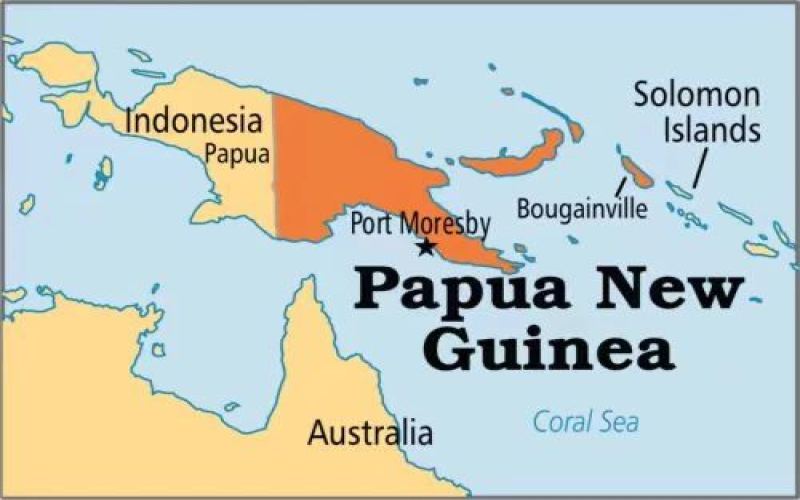
Why is Papua New Guinea coffee called Little Blue Mountain? Flavor differences from Jamaican Blue Mountain and an analysis of Bird of Paradise Estate
Papua New Guinea coffee is often called "Little Blue Mountain" by enthusiasts, a description rooted in both historical origins and similarities in terroir. This article begins with the Papua New Guinea coffee offered by Front Street Coffee, tracing the country's coffee introduction and cultivation history, industry fluctuations, and the reasons behind inconsistent quality, while providing a detailed analysis of Front Street's Papua New Guinea · Bird of Paradise Estate—including origin information, variety characteristics, washed processing methods, roasting recommendations, and brewing parameters—to help you understand its similarities to and differences from Jamaican Blue Mountain. [more…]
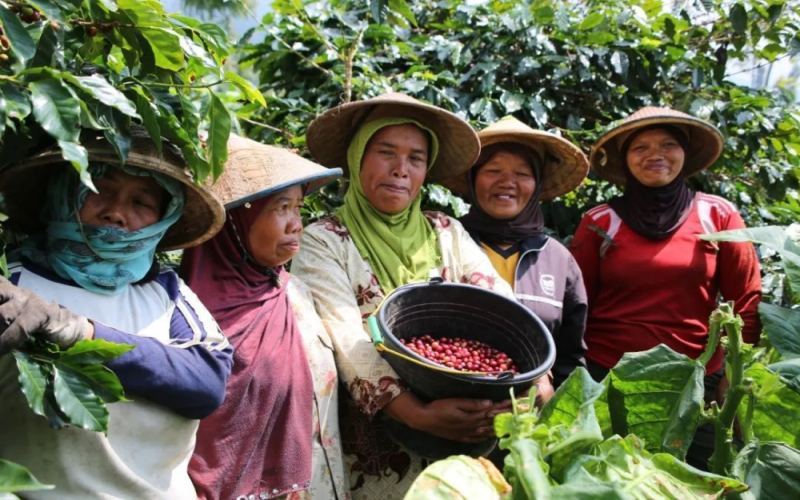
How to drink Aceh Medan coffee? A full analysis of Sumatra Mandheling flavor and the wet-hulling method
Indonesia's Sumatra Mandheling coffee is one of the representatives of Asian coffee, and the Aceh producing region along with Lake Toba and Lake Tawar around Medan are the core areas. This article begins with the origin of the name Mandheling, Indonesia's coffee-growing environment, and the differences between producing regions such as Mount Gayo in Aceh and Lintong, then takes a deep dive into how Sumatra's unique wet-hulling process shapes a coffee flavor that is full-bodied, low in acidity, and carries spicy, herbal notes. It also includes the flavor characteristics of Front Street Lintong Mandheling and Golden Mandheling, along with KONO dripper brewing parameters, to give you a complete understanding of Aceh coffee's taste and how to drink it. [more…]